Setting winter’s stage: Behind the scenes at Tahoe ski resorts
Known for bluebird days and generous snowstorms, when Tahoe comes to mind, so does skiing. With over a dozen ski resorts within a 100-mile radius, the Tahoe area boasts the highest concentration of ski resorts in the county. A combined 14,000-plus vertical feet of skiing draws many from all over the country and world.
Learn about what goes into making the area a highly sought after skiing destination with a few behind the scenes peaks at area ski resorts.
Diamond Peak’s summer prep for winter sends
In what often feels like a race against the clock, a significant amount of work for winter operations occurs in the summer.
It may not be obvious while taking in the panoramic Tahoe views on Diamond Peak’s Crystal Ridge or lapping the Village Terrain Park, but below the skis, snow and earth are a network of underground pipes. The maze of multi-sized pipes run from pump houses and compressor plants to snow guns where they combine to create snow.
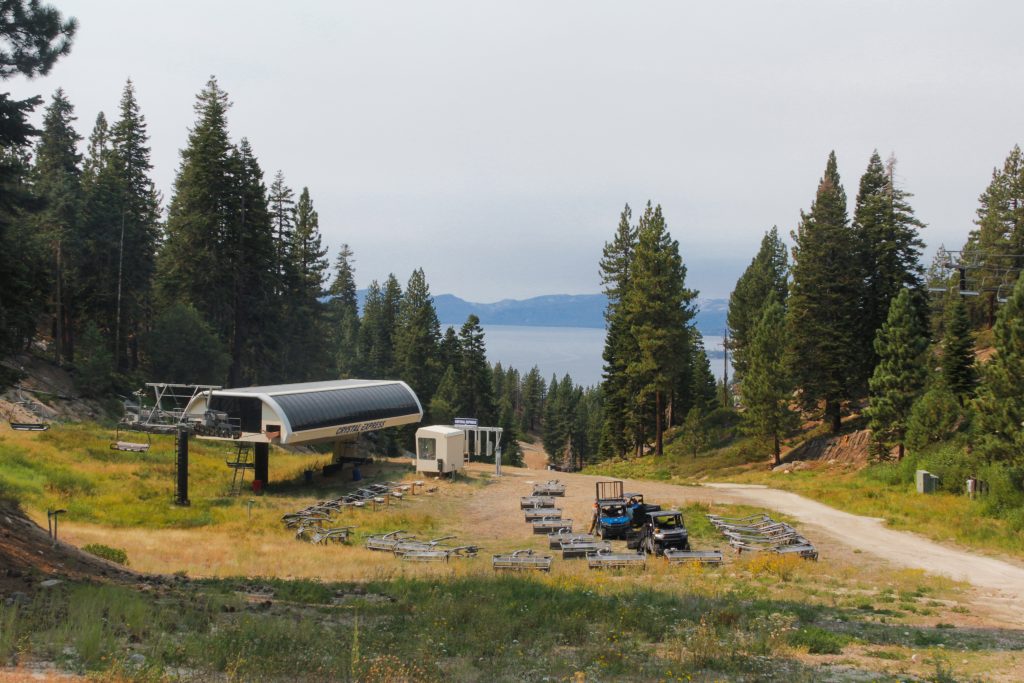
These miles of pipes, along with what you see above ground, the lifts, chairs, snow guns, snowcats and runs, all need regular checkups in the summer. Inspections, testing and maintenance ensures they are functioning properly and safely for winter.
“Every little piece of this whole system is tested and tried,” John Tarmey, Slope Maintenance Manager says, explaining it’s no small task.
In addition to equipment maintenance in the summertime, brush cutters maintain slope runs by clearing vegetation.
Erosion control is also a significant summer operation to ensure snowmelt isn’t threatening Tahoe’s clarity. Water flow is directed for optimal sediment control.
Diamond Peak’s crew wastes no time and begins summer related work immediately following closing day, knowing that winter is right around the corner.
How Heavenly’s tech, timing and teamwork converge for opening day
As the days grow shorter and cooler, skiers and snowboarders eagerly await the announcement of opening day. At Heavenly, the highly anticipated day is the result of advanced technology, meticulous timing and a dedicated team all coming together to make that day as early as possible.
Technology takes the stage with 95 computer-controlled snow guns positioned, tapping into a network of water and air pipes that come from sources around the mountain.
The timing comes into play as early as October when managers start assessing weather patterns for snowmaking opportunities.
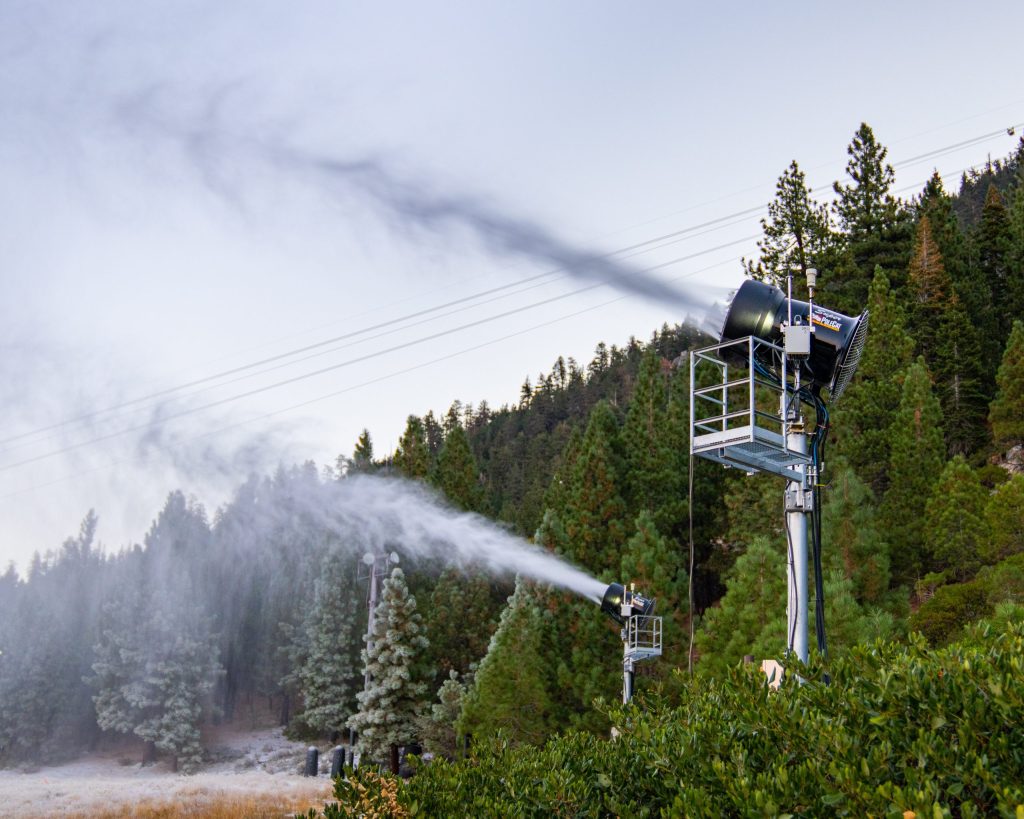
During these prime snowmaking windows, teamwork becomes crucial in order to capitalize on every snow making minute. A crew of 35 works around the clock, dividing the effort into three shifts with a day, swing and graveyard shift, each passing the baton to the next.
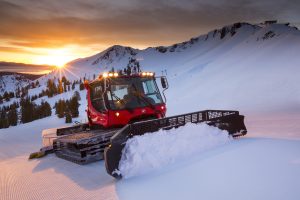
While the team races to open runs, they also know that good snow can’t be rushed. In what’s known as “curing” the snow, the piles sit for one to two days to leach excess water before snowcats spread and groom the snow. Together, the snowmaking team and groomers work together to fine-tune runs by filling in shallow areas.
This process initially occurs on two runs to get the mountain open. Crews then work around the mountain, connecting dots until mother nature lends a hand.
It’s the masterful orchestration of these factors that culminates in the first of many exciting days.
For Billy Clark, Snowmaking Manager, seeing the guests’ response on opening day makes all the hard work and long nights worth it.
“Everybody’s smiling and hooting and hollering,” he says, “because you’re getting stuff going.”
Inside the vehicle shop that keeps Kirkwood moving
A crew of 6-10 highly skilled and dedicated employees at the Kirkwood Fleet Maintenance Shop work hard to keep the mountain moving. The shop is responsible for maintenance and repairs on a large array of vehicles, from snowcats, heavy snow blowers, and front-end loaders to buses, trucks, vans, snowmobiles, and even chainsaws, demanding a variety of skills.
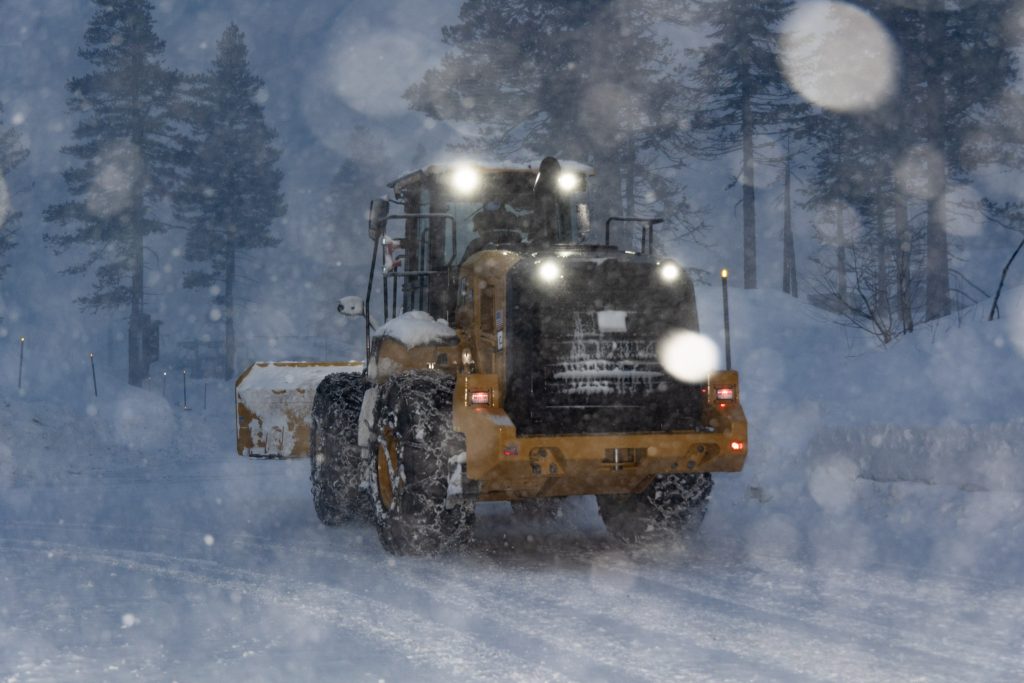
This vast scope can make prioritizing work a challenge. Weather is often what dictates each day’s duties, getting heavy equipment up to speed ahead of snowstorms and transportation vehicles ahead of bluebird days. No one day looks the same. The team also maintains Kirkwood’s fuel stations, including one for resort operations and one for public use on Highway 88.
It takes a specialized team built of resilient individuals who can thrive under pressure and flux with the ever-changing demands from one day to the next.
“We couldn’t keep this place running as nearly as well,” Fleet Maintenance Supervisor, Kruz Toribio says, “if we didn’t have the right team to do it.”
The shop interacts with nearly every department at the resort, supporting grooming, snow removal, transportation, lift maintenance, base operations and ski patrol.
Having a reliable piece of equipment can make the difference for critical incidents on the mountain.
The shop’s expansive scope—from the vehicles it services to the departments it serves— underscores how imperative the shop and crew are to the mountain.
“If there’s no vehicle maintenance,” Fleet Maintenance Manager, Joel Gomez says, “there is no mountain.”
Behind the science that makes Palisades Tahoe a spring skiing capital
Known for seasons lasting well into the spring, and some years into summer, Palisades Tahoe has been coined the Spring Skiing Capital. To create these dream spring skiing seasons, snow surface managers determine at the start of the season which runs will go the length.
A deeper snowpack means longer seasons, a principle they apply to these selected runs. Throughout the season, crews will focus on increasing and maintaining the snowpack on these runs.
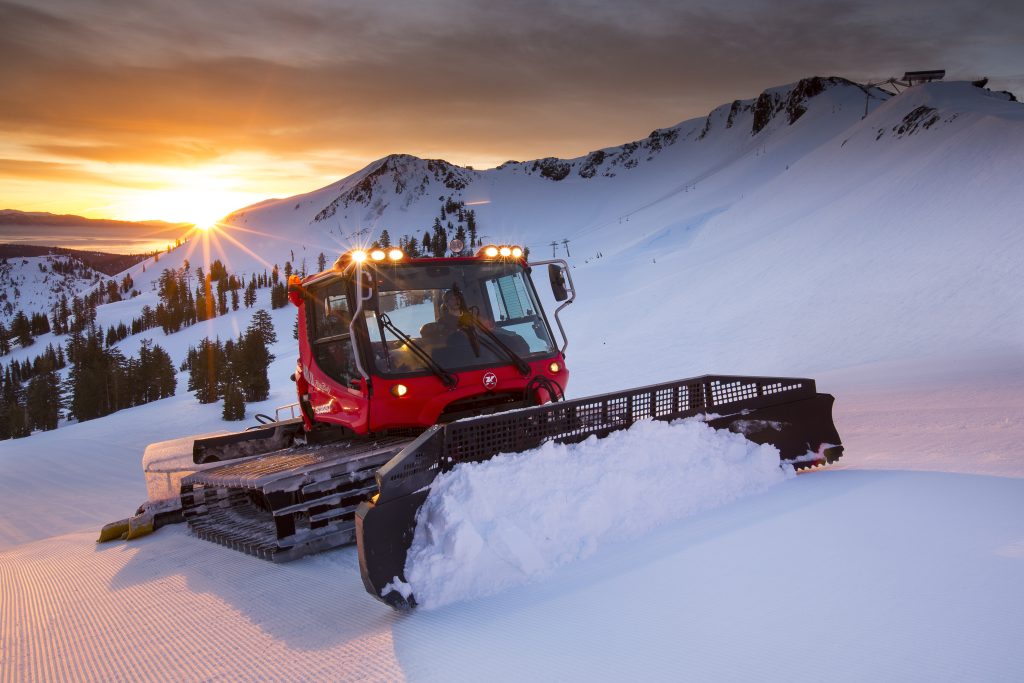
Efficiency with snow allows the Palisades Tahoe team to make the most of their energy and time as they aim for this goal.
This efficiency comes from managers knowing how much snow is needed to open a certain run thanks to LiDAR scans of the mountain and past season data. It allows the team to quickly open terrain and move on the next trail.
The process is further perfected with LiDAR equipped snowcats that determine how deep the snow is ahead. Operators can then begin carrying snow when LiDAR senses a thin spot coming up.
Slope managers take care not to overgroom or spread dirt or stones on the snow. Paying attention to these details reduces melt and extends the life of the snow.
With the dedication and real-time snow depth measurements, managers can predict the end of the ski season, pinpointing it almost to the exact day.
“It’s always been a science,” Brendan Gibbons, Director of Snow Surfaces at Palisades Tahoe says, “but now it’s a more predictable science.”
Editor’s note: This article originally appeared in the Winter 2025/26 edition of Tahoe Magazine.





Support Local Journalism

Support Local Journalism
Readers around Lake Tahoe, Truckee, and beyond make the Sierra Sun's work possible. Your financial contribution supports our efforts to deliver quality, locally relevant journalism.
Now more than ever, your support is critical to help us keep our community informed about the evolving coronavirus pandemic and the impact it is having locally. Every contribution, however large or small, will make a difference.
Your donation will help us continue to cover COVID-19 and our other vital local news.