U.S. Forest Service adds long-sought protections to limit health risks for wildland firefighters
Staff Report Follow
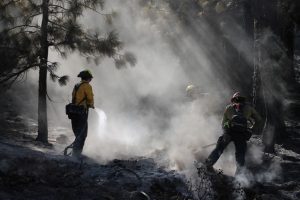
WASHINGTON, D.C. —The U.S. Department of Agriculture’s Forest Service, along with the Department of the Interior announced new steps to reduce hazardous exposure for federal wildland firefighters during the 2026 fire year. These actions include expanded access to N95 respirators on the fireline, required training and standardized decontamination protocols.
Wildland firefighters work in extreme conditions with prolonged exposure to smoke, ash and airborne particles. While no respirator currently meets Occupational Safety and Health Administration standards for wildland firefighting, the Forest Service is moving forward with practical protections that can reduce risk now.
“Secretary Rollins has made it clear that we will no longer stand by as firefighters face long-term health risks just from doing their job,” said Forest Service Deputy Chief of Fire and Aviation Management, Sarah Fisher. The action we are taking today is about doing right by the people who put themselves between our communities and escalating wildfire threats. Improving respiratory safety and expanding decontamination practices are practical, common-sense measures that will make a real difference on the ground.”
For the first time, federal wildland firefighters are authorized to use N95 respirators on the fireline after receiving formal training on their safe use in the wildland fire environment. Expanded N95 use provides a meaningful, immediate tool to reduce the inhalation of particulates that can result in future health impacts. At the same time, both departments are pursuing a full respiratory protection program that is complaint with Occupational Safety and Health Administration requirements.
These actions reflect a commitment Secretary Rollins outlined in her 2026 Wildfire Readiness Memo to minimize health impacts for wildland firefighters to the maximum extent possible through immediate interim measures while pursuing long-term solutions.
In addition, decontamination will be integrated into daily operations. Showers, gear cleaning and clean-air recovery reduce cumulative exposure and potential long-term health implications.
The Forest Service has the largest and most capable wildland firefighting force in the world. Protecting their health through every available tool is essential. Firefighters who are healthy, informed, and supported are better positioned to do their jobs effectively and safely. The Forest Service is committed to that outcome and will continue to advance improved health protection measures with the Department of the Interior.





Support Local Journalism

Support Local Journalism
Readers around Lake Tahoe, Truckee, and beyond make the Sierra Sun's work possible. Your financial contribution supports our efforts to deliver quality, locally relevant journalism.
Now more than ever, your support is critical to help us keep our community informed about the evolving coronavirus pandemic and the impact it is having locally. Every contribution, however large or small, will make a difference.
Your donation will help us continue to cover COVID-19 and our other vital local news.