We all have a stake in Tahoe’s roadless areas
An open letter from Tahoe’s conservation, trails, and outdoor recreation community
Lake Tahoe’s forests are everything all at once. They are the watershed that protects the Lake’s famously clear water, the wildlife habitat that is home to endangered species, and places to hike, bike, ski, climb, and explore. They also support our recreation economy and quality of life.
That is why Keep Tahoe Blue, the Tahoe Rim Trail Association, Tahoe Area Mountain Biking Association, and Tahoe Backcountry Alliance—representing conservation, trails, mountain biking, and backcountry recreation—have come together. The U.S. Forest Service is proposing to rescind the 2001 Roadless Area Conservation Rule, which would drastically change how some of Tahoe’s least developed national forest lands may be managed. We stand in opposition to the proposed rescission.
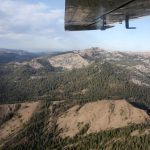
For more than two decades, the Roadless Rule has provided protections from most new road construction, road reconstruction, and commercial timber harvesting across millions of acres of inventoried roadless areas, including roughly one-quarter of Forest Service lands in the Tahoe Basin. These lands protect headwaters, habitat, backcountry terrain, and recreation while connecting Tahoe to the larger Sierra landscape. Lake Tahoe’s extraordinary clarity depends on the health of the forests that surround it.
Roadless Does Not Equal Unmanaged
Protecting roadless areas does not mean leaving Tahoe’s forests untouched. Temporary roads for forest management and wildfire mitigation are already allowed under the Roadless Rule.
Our organizations support science-based restoration, forest fuels reduction, and appropriate tools to create healthier forests, safer communities, and greater resilience to drought, climate change, insects, and disease. The Tahoe community has shown that we can reduce wildfire risk and restore healthier forests while protecting roadless landscapes. The two priorities are not mutually exclusive.
Our Forested Landscape Experience
Tahoe’s roadless areas are not just lines on a Forest Service map. They are places we know, use, and care deeply about. Nearly 50 miles of the 175-mile Tahoe Rim Trail run through or border designated roadless areas, including some of the Tahoe Basin’s most iconic and ecologically sensitive landscapes. Opening these roadless areas to road construction would risk the character, ecological integrity, and recreational value that make these places so special.
For Tahoe’s mountain biking community, the landscape, the forest, the feeling of remoteness, and the absence of roads are integral parts of the ride. And for those who travel farther into Tahoe’s backcountry, the absence of roads is part of what makes these places special. Roadless areas protect the kind of backcountry experience that attracts many of us to public lands in the first place—quiet, undeveloped areas where people can travel under their own power and experience a sense of solitude, awe, and adventure.
The Roadless Rule has played a major role in keeping those landscapes intact. Once roads are built into previously undeveloped areas, the character of those places changes permanently.
Our partnership reflects people who care about these places. Conservationists, trail stewards, recreationists, residents, visitors, businesses, and families share common ground: healthy forests, clean water, connected habitat, durable recreation, and Tahoe’s wild character are vital.
Protecting the Forest Protects the Lake
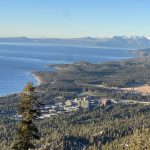
In the Lake Tahoe Basin, the ecological consequences of additional roads deserve particular attention. Lake Tahoe’s extraordinary water clarity depends on healthy surrounding forests, watersheds, streams, and soils. Fine sediment particles in the lake are a leading cause of its clarity loss, and disturbing steep forested lands can increase sediment reaching waterways. The Forest Service already has a $5 billion backlog of deferred maintenance on roads they manage. If we can’t afford to fix the roads we already have in order to protect the lake, now isn’t the time to build new ones.
Tahoe’s conservation successes come when people and institutions work across borders, disciplines, and interests. Roadless area policy should follow that model through regional collaboration, science-based management, public involvement, and landscape protection. That regional approach matters because decisions affecting one watershed, trail corridor, habitat connection, or recreation area can influence neighboring landscapes and communities. By coordinating advocacy across the Tahoe Basin and wider Sierra Nevada, partners can uphold shared values, identify protections, and ensure that restoration, access, and conservation reinforce rather than undermine one another.
You Can Speak Up Too
This decision is not final, and Tahoe has an opportunity to be heard. The Forest Service is accepting public comments on the proposed rescission through October 6, 2026. We encourage everyone who cares about this place to share what Tahoe’s roadless areas mean to you. Visit keeptahoeblue.org/roadless-rule to submit a comment.
If Roadless Rule protections are ultimately removed, Tahoe should be prepared to explore every available mechanism to maintain durable protections for these landscapes while continuing forest restoration and wildfire resilience work. And we will be.
Whether you come to these landscapes to protect the lake, hike a trail, ride singletrack, ski through the backcountry, or simply know that wild places still exist around Tahoe, we all have a stake in keeping them that way.
Darcie Goodman Collins, PhD
Chief Executive Officer
Keep Tahoe Blue
Drew Bray
Executive Director
Tahoe Area Mountain Biking Association (TAMBA)
Anthony Cupaiuolo
Executive Director
Tahoe Backcountry Alliance
Sam Donnelley
Trail Operations Director
Tahoe Rim Trail Association




Support Local Journalism

Support Local Journalism
Readers around Lake Tahoe, Truckee, and beyond make the Sierra Sun's work possible. Your financial contribution supports our efforts to deliver quality, locally relevant journalism.
Now more than ever, your support is critical to help us keep our community informed about the evolving coronavirus pandemic and the impact it is having locally. Every contribution, however large or small, will make a difference.
Your donation will help us continue to cover COVID-19 and our other vital local news.